New York City Moves Closer to Banning Central Park Horse-Drawn Carriages
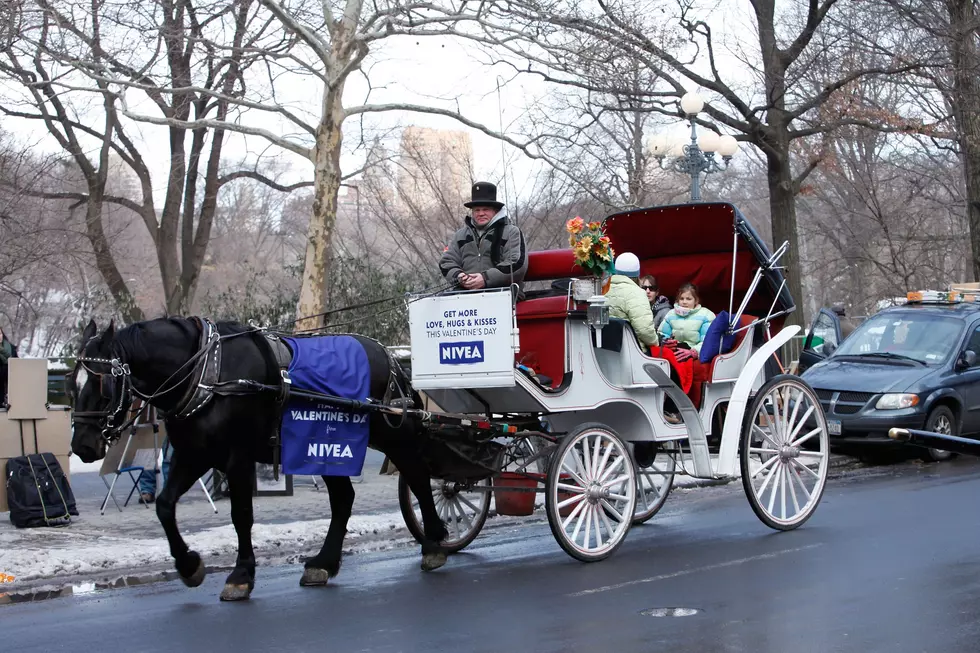
CNN reports that one of New York City’s most recognizable tourist attractions could soon be heading for the history books. The horse-drawn carriages that have been taking visitors around Central Park for more than 150 years may be on their way out, following an agreement between Mayor Zohran Mamdani and City Council Speaker Julie Menin.
The proposed ban is expected to go before the City Council later this month, with the goal of ending the rides by June 1, 2028. So if you’ve ever wanted that classic New York experience of riding around Central Park in a horse-drawn carriage, you might want to get moving.
Animal rights groups have spent years arguing that the horses face unsafe working conditions, frightening traffic and inadequate living arrangements. Carriage operators have pushed back, insisting their animals receive proper care and that their stables meet city standards.
The debate gained renewed attention after 18-year-old tourist Romanch Mahajan died last summer when he was thrown from a runaway carriage in Central Park. Supporters of the ban say the tragedy exposed serious safety concerns, while opponents argue the city is using the incident to justify shutting down an industry that has been part of New York for generations.
The proposal also addresses what happens to the horses. Owners would have to notify the city before getting rid of their animals, and the legislation would prohibit selling or transferring them for slaughter or to another horse-drawn carriage operation.
Of course, there are people who could get left out in the cold: the carriage drivers. Their union says the proposal doesn't provide enough financial support for workers who could lose their livelihoods. City officials say they plan to develop a transition program that could connect drivers with other jobs and training opportunities.
The legislation reportedly has 29 City Council co-sponsors, and its lead supporter expects it to pass.
For tourists, this could mean the end of a familiar New York postcard scene. For the people who make their living driving those carriages, it could mean finding an entirely new line of work.
Did a White Plains Researcher Get Too Close to the Truth About UFOs?
Gallery Credit: Lou Milano
Real-Life ‘Road to Nowhere’ In Connecticut Is Full of Disturbing Legends
Gallery Credit: Lou Milano
10 Things That Used to Be Completely Normal in Connecticut
Gallery Credit: Lou Milano
More From WRKI and WINE